
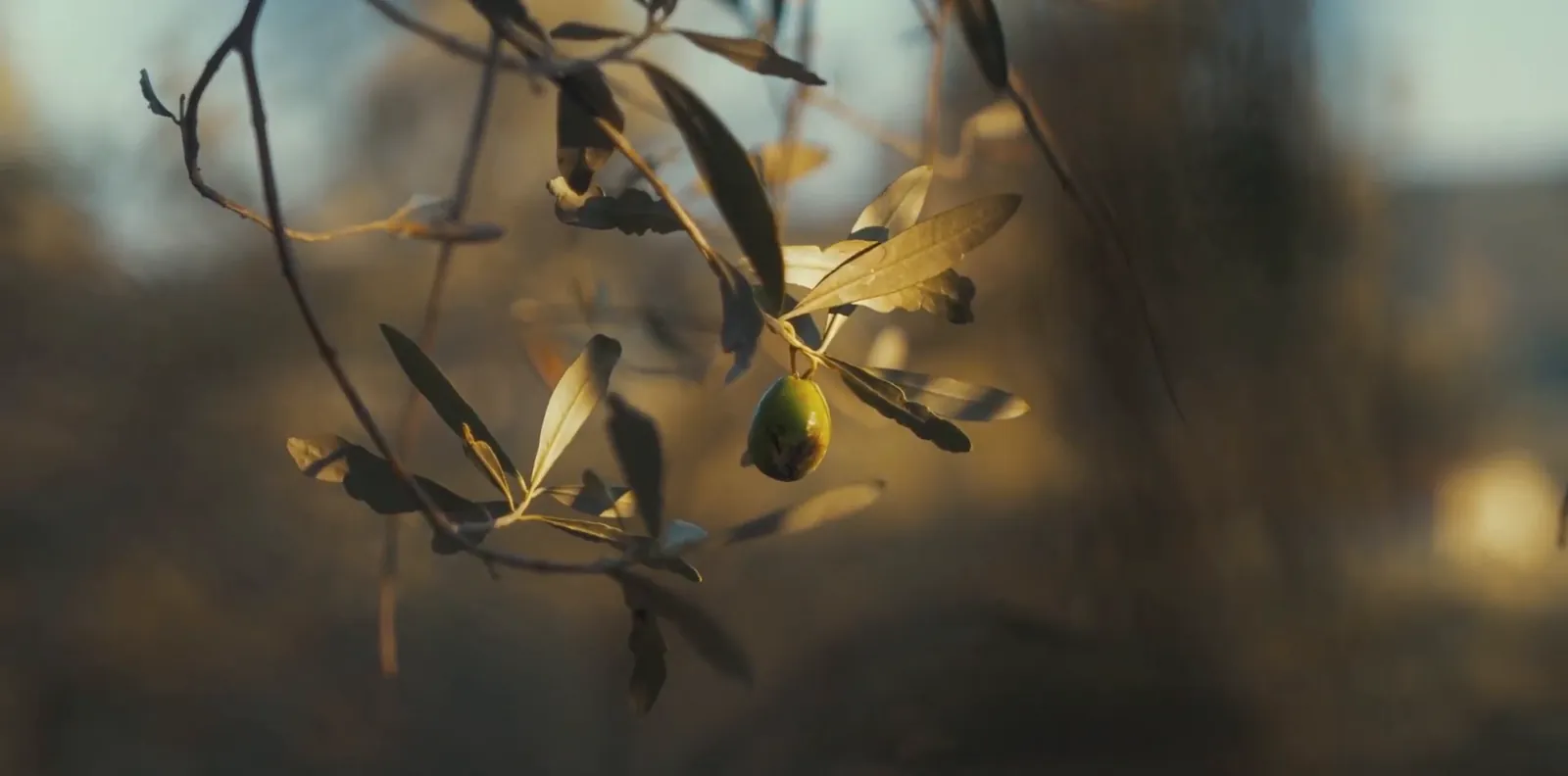
From olive grove to customer
From growing the olive trees to extraction, bottling and transport, we oversee every stage to guarantee quality and consistency in every drop.
01
Olive grove
Quality begins with the olive tree.
Growing the olive trees in our olive groves is the first chapter of a chain that continues at the olive mill, in bottling and in logistics.
Following the crop from its source allows us to choose the right moment to harvest and send the olives to the mill in the best condition.
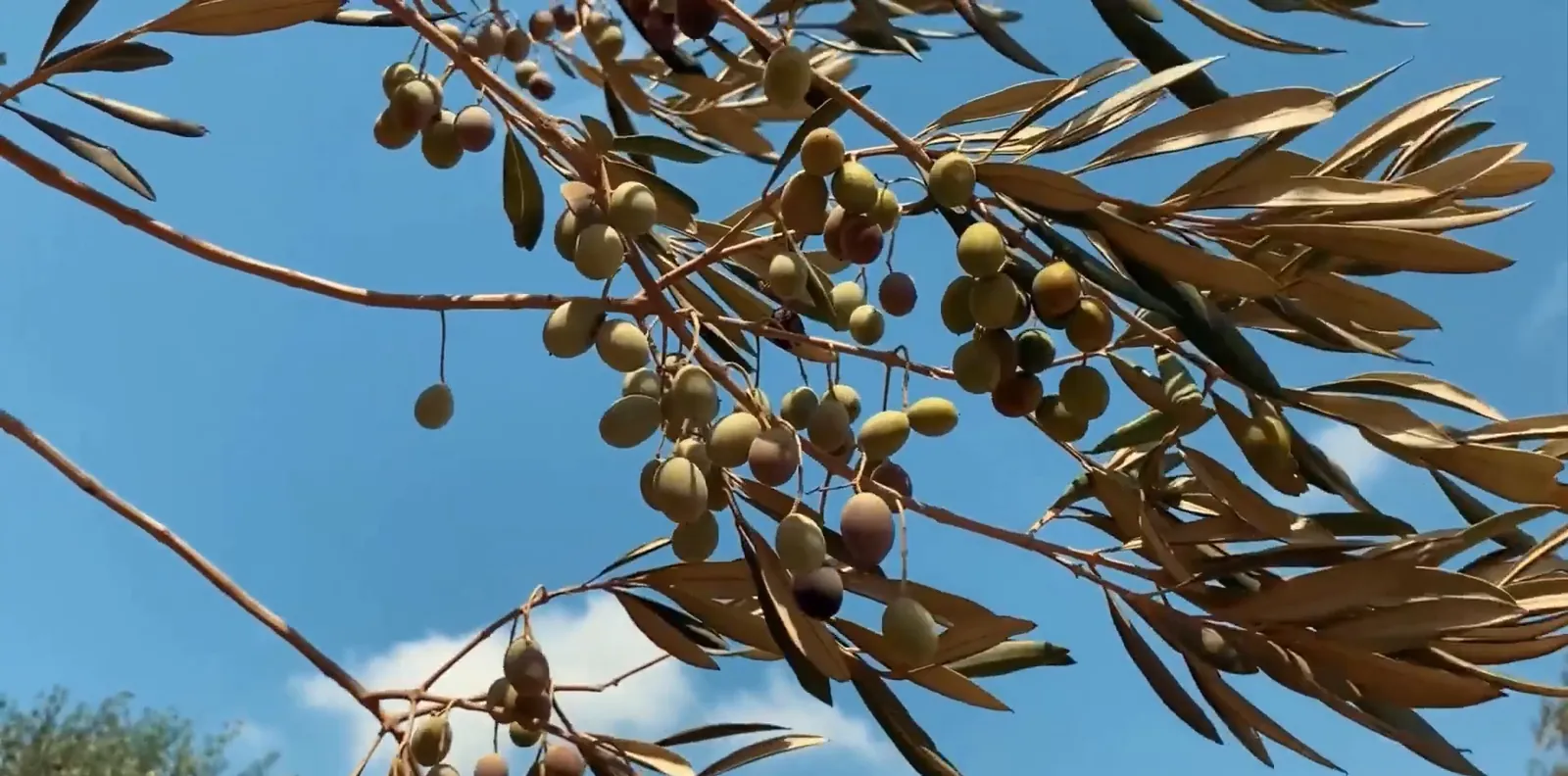
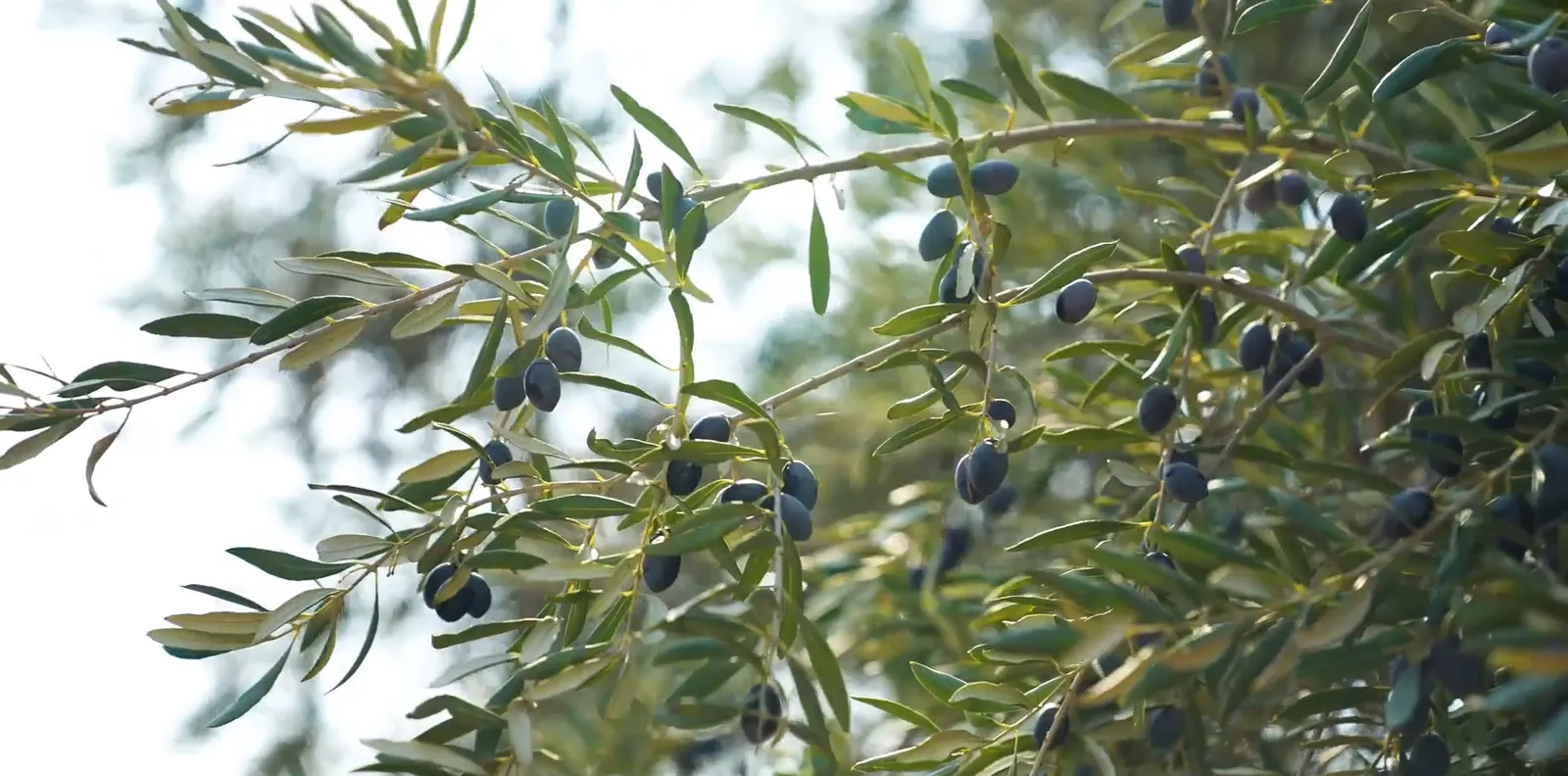
We work dry-farmed and irrigated olive groves, with the traditional Trás-os-Montes varieties: Cobrançosa, Madural and Verdeal Transmontana. It is these varieties that give the olive oil its fruity character, with green notes and a balance between bitterness and pungency.
1Cultivation
Pruning, nutrition and protection of the olive trees throughout the year, using integrated production practices.
2Ripening
We monitor the development of the olives to choose the right day to harvest.
3Harvest
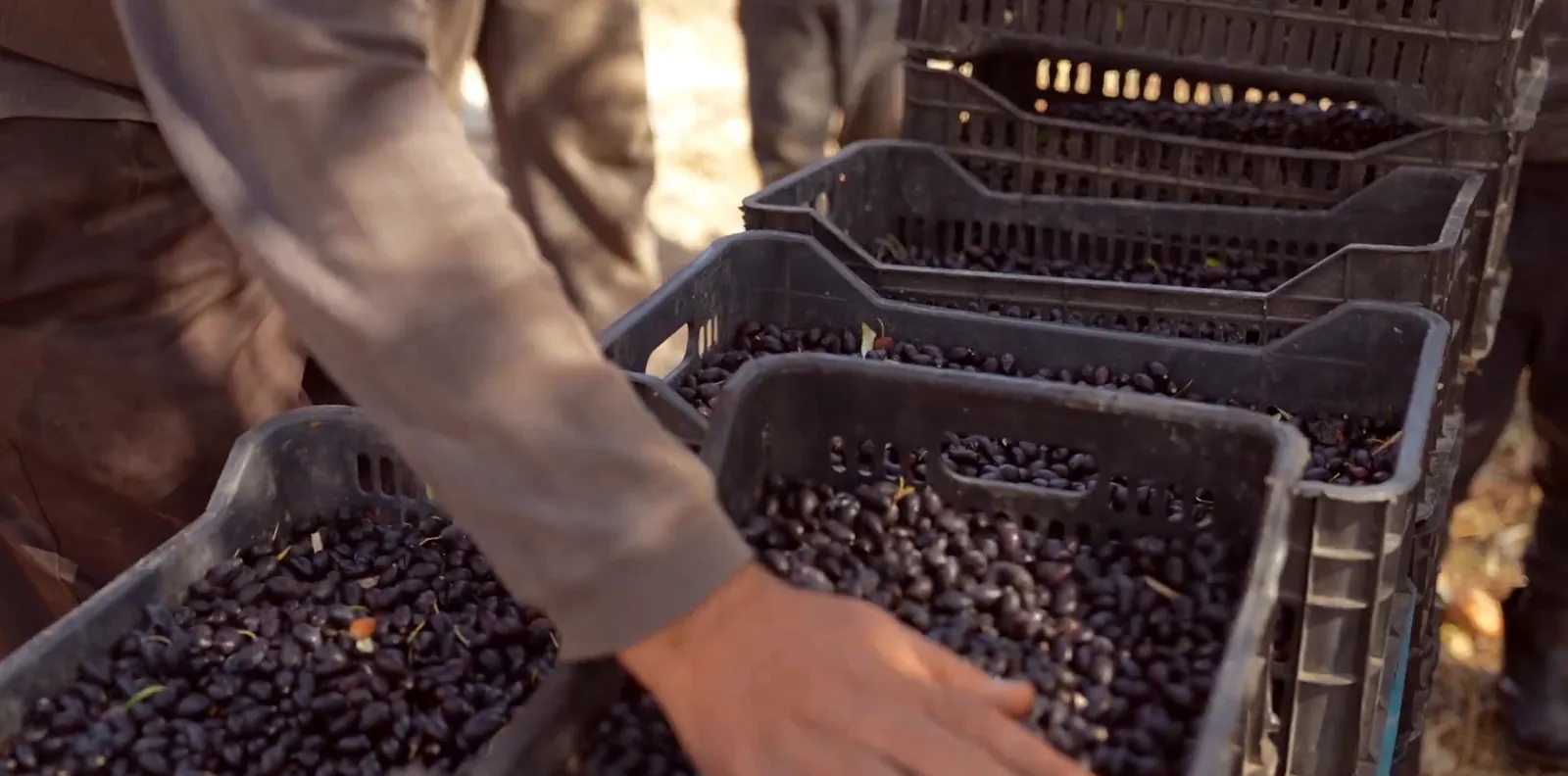
Between October and December, with trunk shakers and nets, so that the olives reach the mill in sound condition.
4Transport
In crates and on the same day, so that the olives are milled fresh.
02
Olive mill
At the heart of production: olive oil extraction.
We combine traditional techniques with state-of-the-art technology. Extraction is carried out cold, to preserve the natural aromas and flavours of the olive.
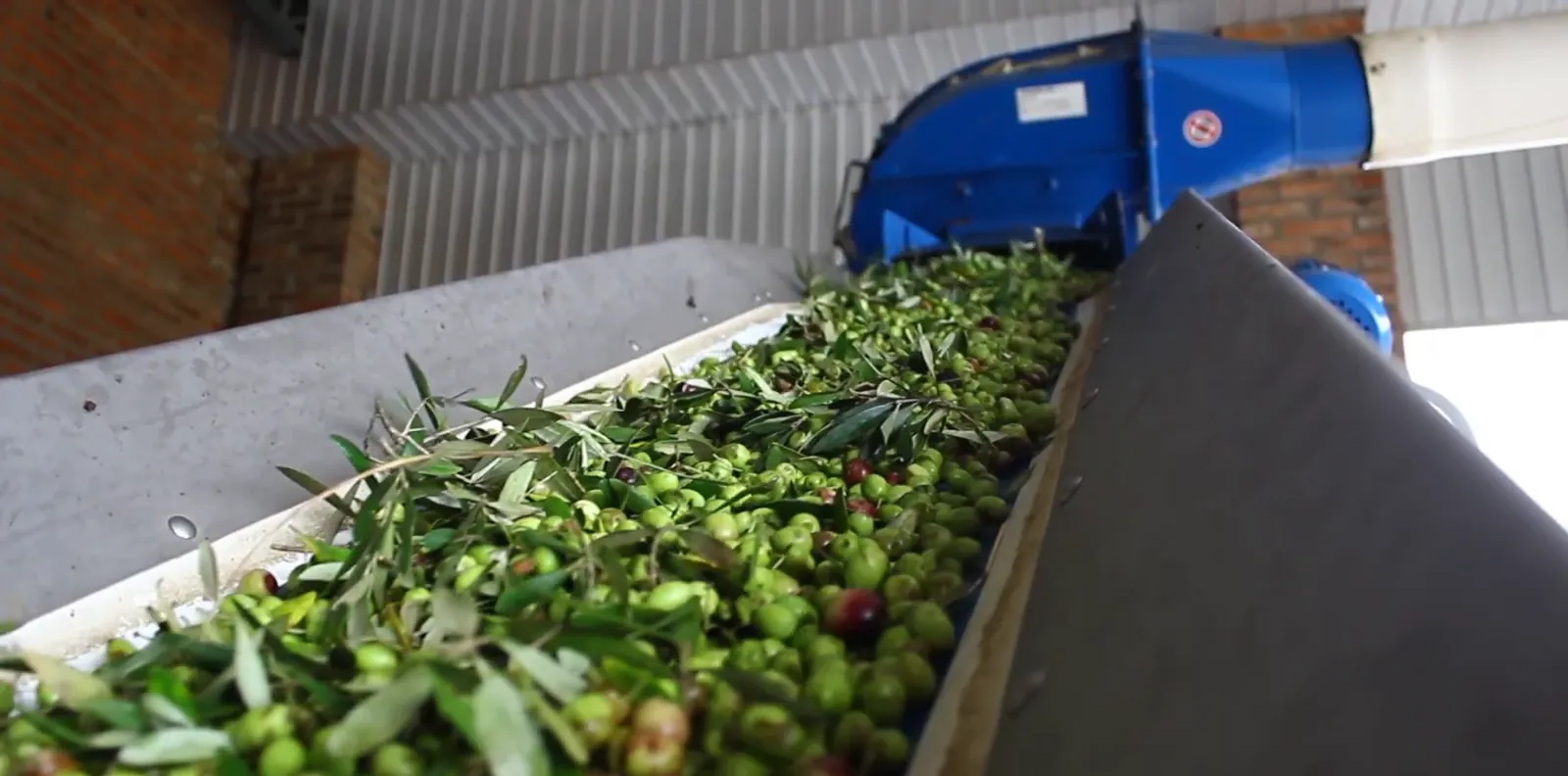
1Intake
The olives are weighed and recorded by grower and by batch.
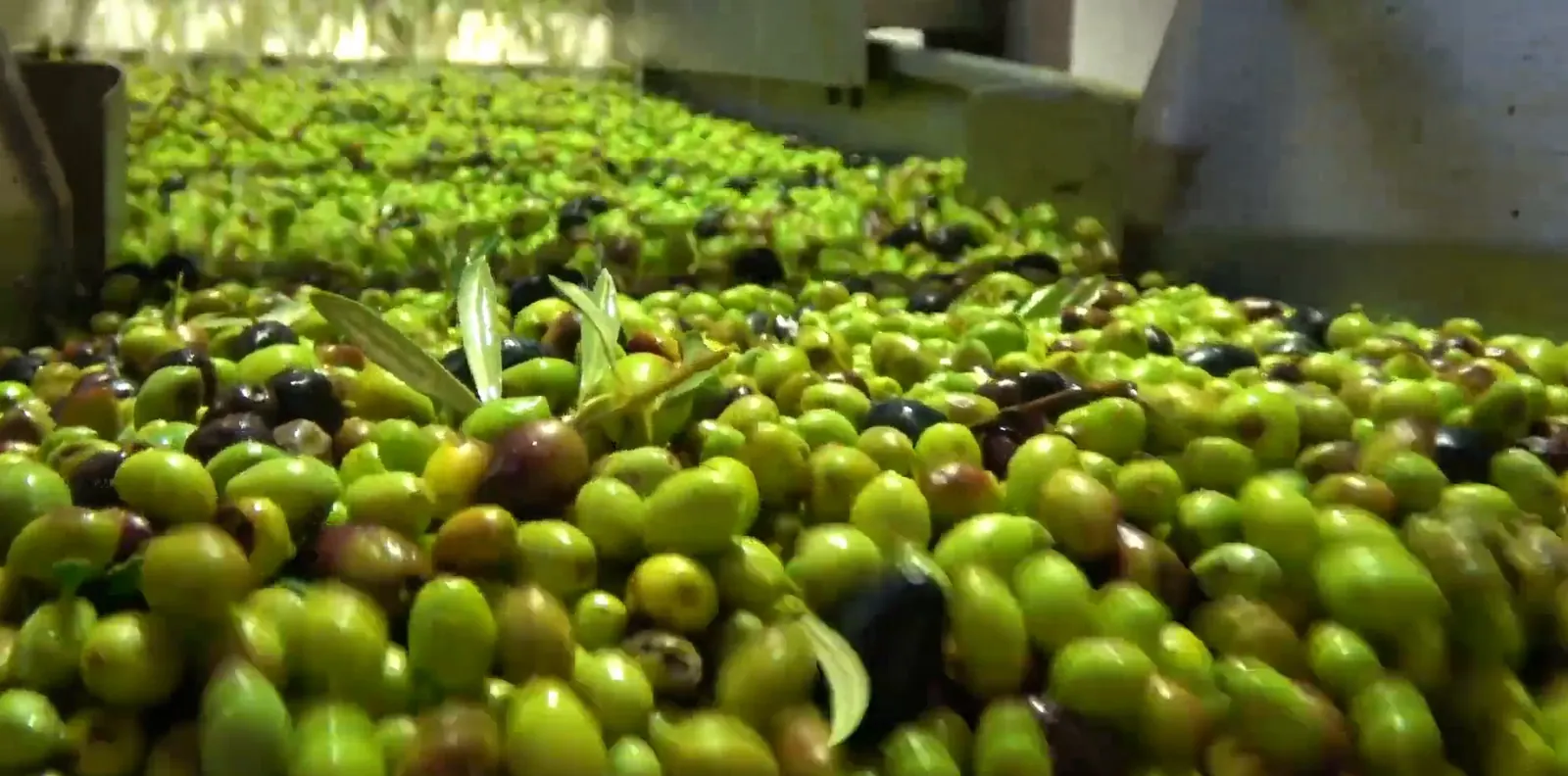
2Cleaning and washing
Leaves, twigs and soil are removed before milling.
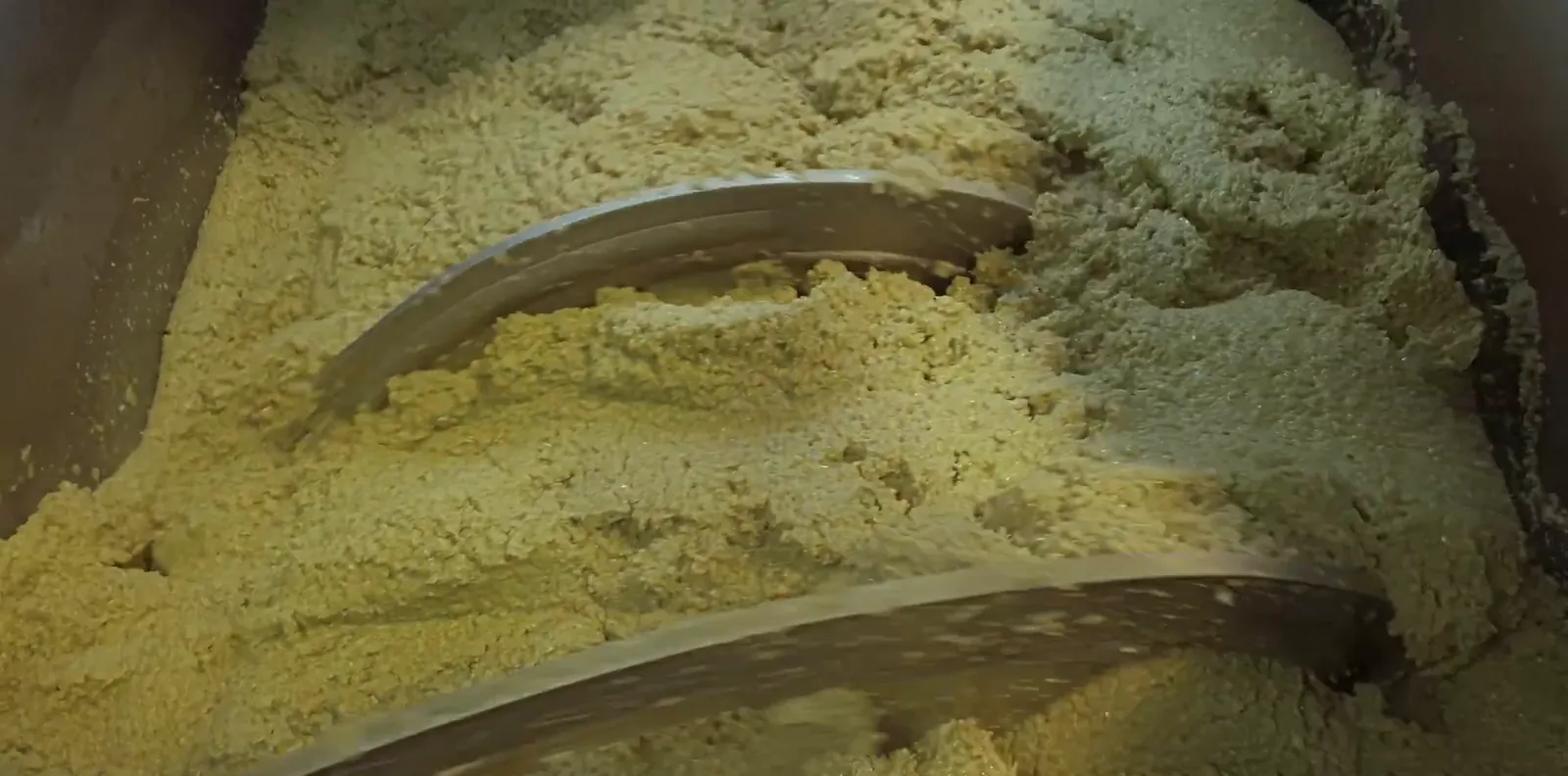
3Milling and malaxation
The olives are milled and the paste is malaxed at a controlled temperature.
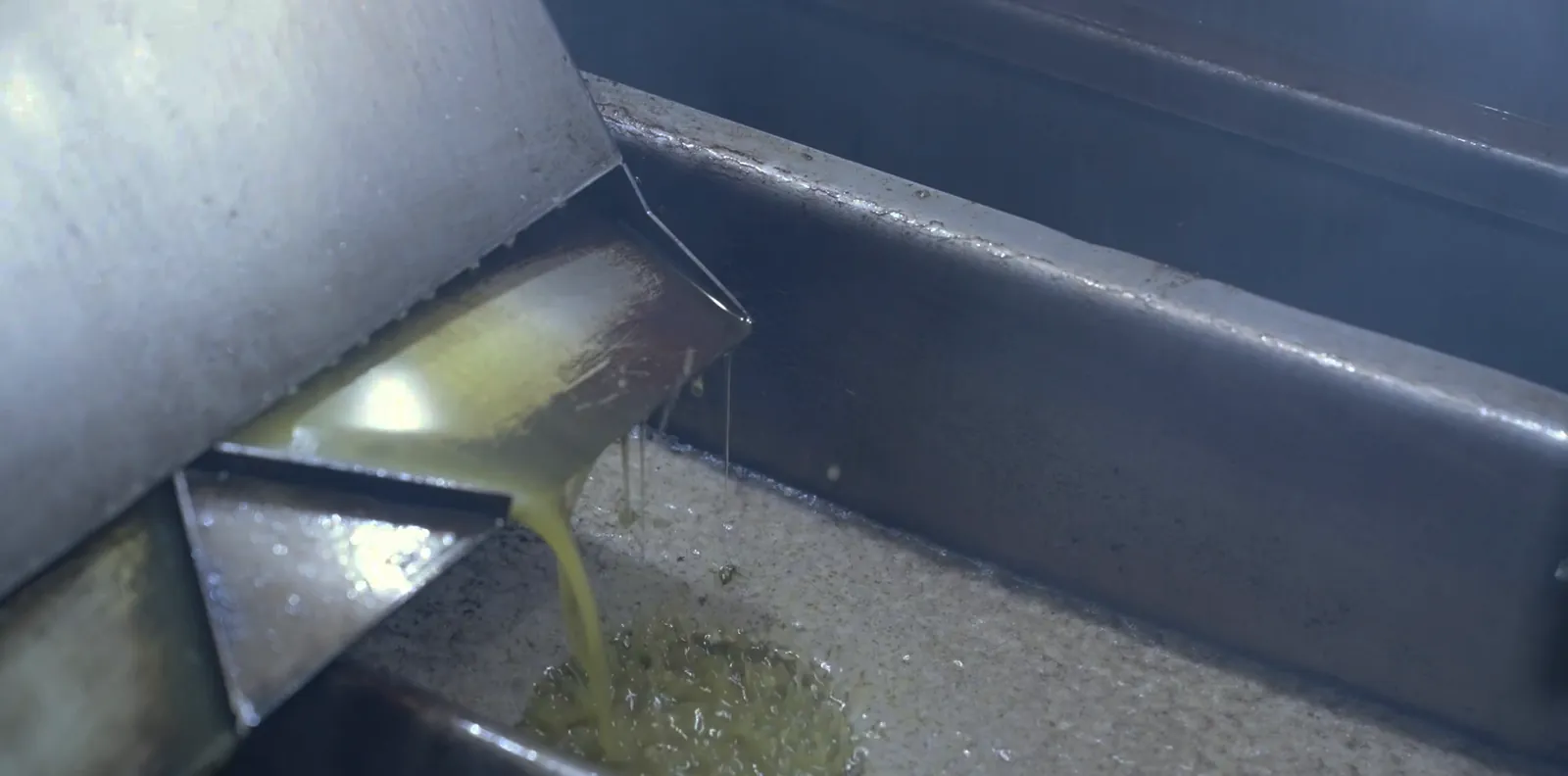
4Extraction
The olive oil is separated cold and sent to tanks identified by batch.
- Olives processed per harvest season
- 5 million kg
- Lagar do Gaiato, in Vila Flor
- since 1934
- Olive oil storage
- Tanks by batch
Milling service for local olive growers
We receive each grower’s olives, recorded by grower and by batch, and return to each grower their own olive oil.
Nothing goes to waste
The pomace and stones left over from extraction are sent for recovery.
150,000 L
daily capacity
03
Bottling
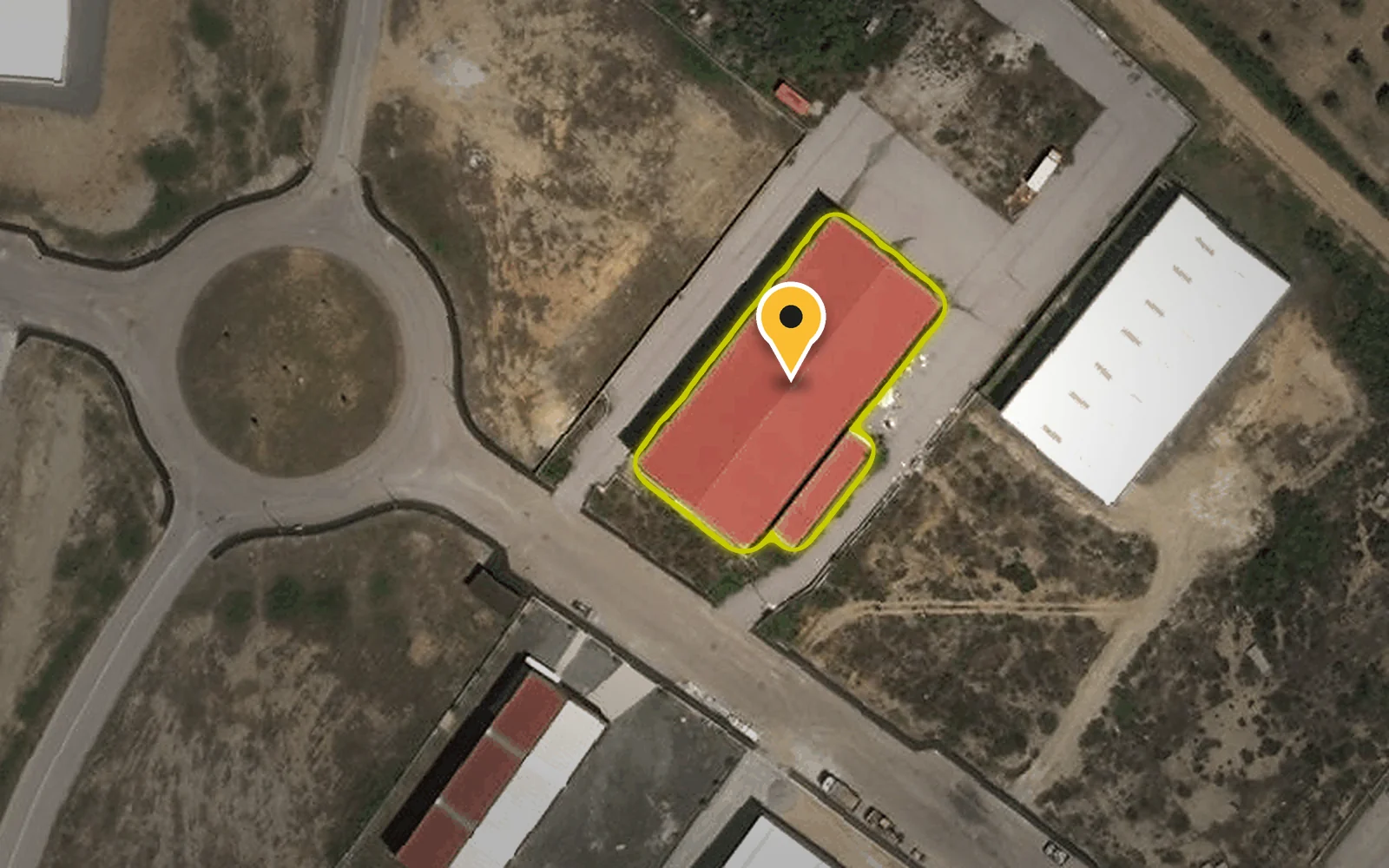
We bottle in our own warehouses.
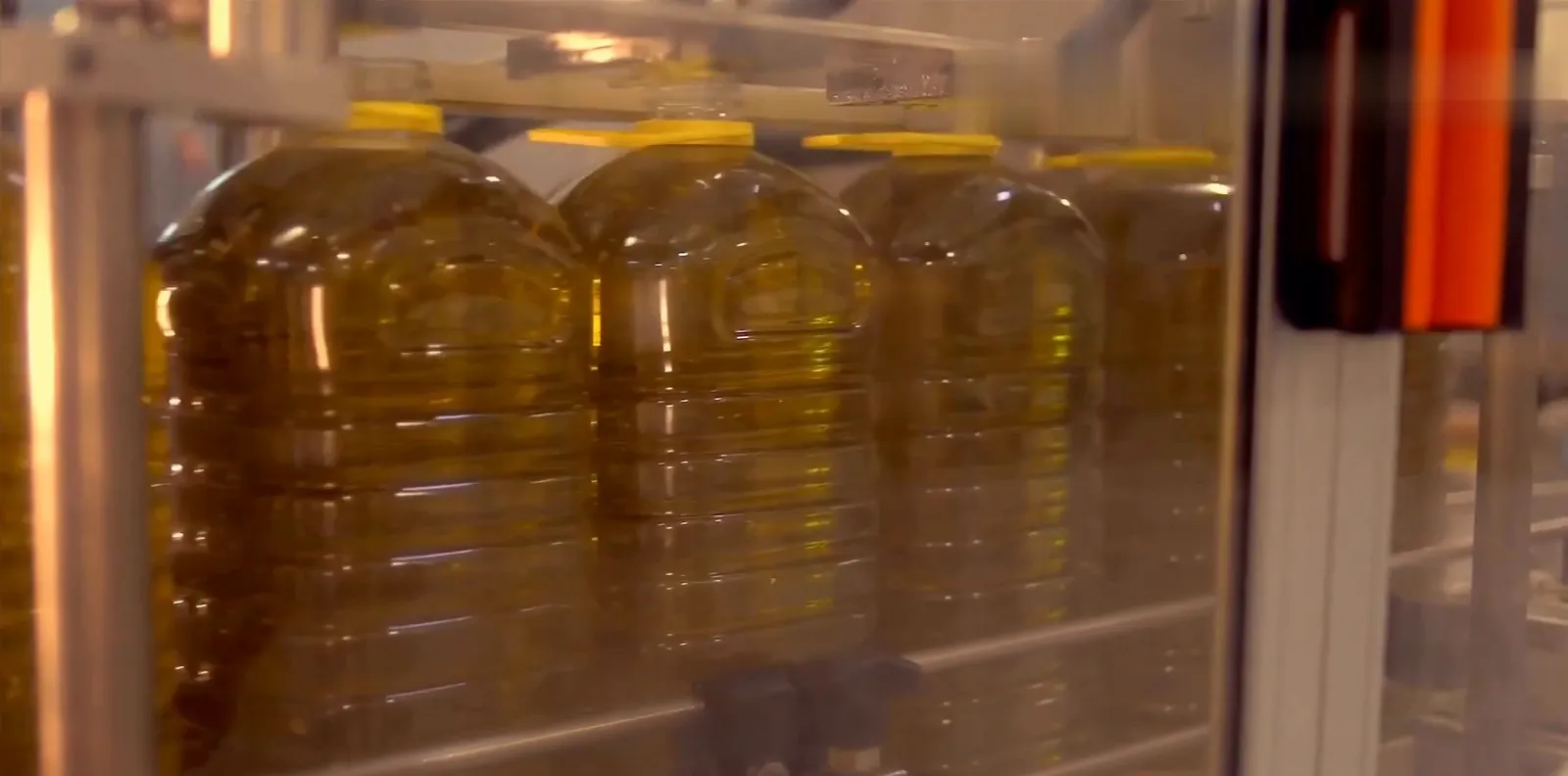
With the capacity to bottle 150,000 litres per day and store 500,000 litres, we respond quickly to each customer’s needs.
Every line has filling and capping checks, and every pack carries its batch code, so that the product can be traced through to the customer. Palletising is tailored to requirements, with full or mixed pallets.
- 1Preparation
- 2Filling
- 3Capping
- 4Labelling
- 5Packing
- 6Palletising
Formats
25 cl50 cl75 cl1 L3 L5 L10 LPETGlassJerrycan
Olvila and Talvila bottles are 100 % recyclable, with 40 % recycled plastic and a drip-free cap.
04
Logistics
From pallet to customer, with our own fleet.
Every pallet is identified with an SSCC logistic label (GS1-128), assigned a location in the warehouse and confirmed at the time of loading.
Palletising and identification
Product, batch and pallet linked on a single logistic label.
Storage
Every pallet has its own location in the warehouse.
Picking and loading
The pallets for each order are confirmed before they leave.
Delivery
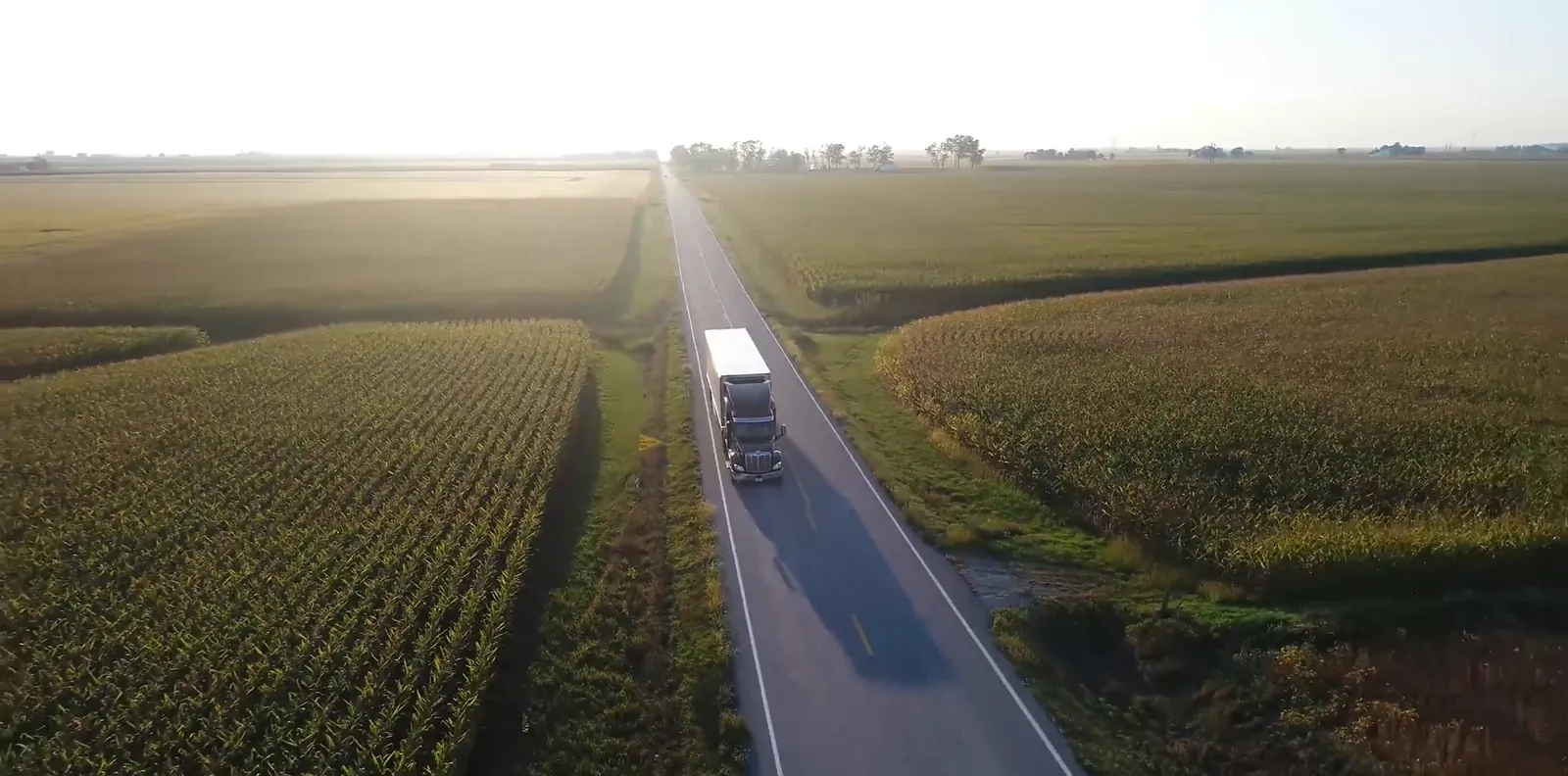
Transport to the customer with our own fleet.
We deliver in Portugal with our own fleet, under controlled transport conditions, and prepare export shipments by full pallet or container, with the documentation for each market.
Quality and food safety
Every stage leaves a record.
HACCP system, batch analysis and traceability from olive to pallet: we always know where each batch came from and where it went.